



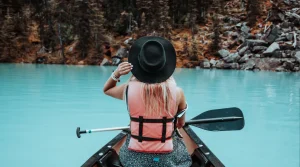
Landscape Photography: Capturing Nature’s Beauty
Landscape photography is an artistic genre that focuses on the natural environment, showcasing the breathtaking beauty of our planet. From towering mountains and serene lakes to vibrant forests and vast deserts, this form of photography allows us to connect with nature and share its splendor.
Composition Matters
A strong composition is essential in landscape photography. The Rule of Thirds is a fundamental technique where you divide your frame into a grid of nine sections. Placing key elements along these lines or at their intersections creates balance and draws the viewer’s eye.
Using leading lines—like rivers, paths, or fences—can guide viewers through the image, adding depth and perspective. Including foreground elements, such as rocks or flowers, enhances this depth, inviting viewers to feel part of the scene.
The Importance of Light
Lighting is a crucial aspect of landscape photography. The golden hour, shortly after sunrise and before sunset, offers soft, warm light that enhances colors and textures. Landscape photography is good.
Indian landscape photography offers a stunning array of subjects, from the majestic Himalayas and serene deserts to lush forests and vibrant rural scenes. Here are some tips to capture the beauty of India’s diverse landscapes
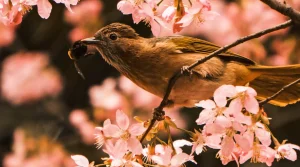
Landscape Photography: Capturing the Beauty of Nature
Landscape photography is a captivating art form that focuses on the natural environment, celebrating the diverse beauty of our planet. From the majestic peaks of the Himalayas to the serene beaches of Goa, this genre encompasses a wide range of subjects, including mountains, forests, deserts, rivers, and more. It allows photographers to explore and express their connection with nature while telling stories through their images.
The Importance of Composition
Composition is a fundamental element in landscape photography. A well-composed photograph can draw viewers in, inviting them to experience the scene as if they were there. One of the most common techniques used is the Rule of Thirds, which involves dividing the image into a grid of nine equal parts. By placing the focal points of the scene along these lines or at their intersections, you create a more balanced and engaging image.
Another effective compositional technique is using leading lines. Natural elements such as rivers, paths, or fences can guide the viewer’s eye through the photograph, creating a sense of depth and movement. Including foreground elements—like rocks, flowers, or trees—can also enhance depth, making the viewer feel more connected to the landscape.
The Role of Light
Lighting is perhaps the most crucial factor in landscape photography. The golden hour, which occurs shortly after sunrise and just before sunset, offers soft, warm light that enhances the colors and textures of the landscape. During this time, shadows are longer and softer, adding depth to the scene.
In contrast, the blue hour, occurring just before sunrise or after sunset, can create a magical atmosphere with cooler tones. Overcast days can also yield beautiful results, as diffused light reduces harsh contrasts and brings out the subtle colors in a scene.
Understanding Weather and Seasons
Weather plays a significant role in landscape photography. Different conditions can dramatically alter the mood and appearance of a landscape. For example, stormy skies can add drama and intensity, while clear skies can evoke a sense of peace.
Seasonal changes offer opportunities to capture the same landscape in different lights. Autumn foliage, winter snowscapes, spring blossoms, and summer greenery each bring unique characteristics to a scene, allowing photographers to tell a story of transformation throughout the year.
Gear and Techniques
While any camera can be used for landscape photography, DSLRs or mirrorless cameras with interchangeable lenses are popular choices. A wide-angle lens is especially useful for capturing expansive vistas, as it allows for greater depth of field and helps to include more of the scene in the frame.
Indian landscape photography offers a stunning array of subjects, from the majestic Himalayas and serene deserts to lush forests and vibrant rural scenes. Here are some tips to capture the beauty of India’s diverse landscapes:
1. Golden Hour Magic
- Shoot during sunrise or sunset for soft, warm light that enhances colors and textures.
2. Vibrant Colors
- Look for the rich hues of local markets, festivals, and traditional attire against natural backdrops.
3. Cultural Context
- Incorporate elements of local culture, like ancient temples, villages, or people, to add depth to your landscapes.
4. Diverse Locations
- Explore various regions:
- Himalayas for snow-capped peaks and valleys.
- Deserts of Rajasthan for vast sands and unique formations.
- Coastal areas for dynamic shorelines and sunsets.
5. Use Leading Lines
- Use roads, rivers, or paths to guide the viewer’s eye through the image.
6. Reflections
- Capture reflections in lakes and rivers for added symmetry and interest.
7. Wide Angles
- Utilize wide-angle lenses to capture expansive vistas and emphasize the grandeur of the landscapes.
8. Experiment with Weather
- Don’t shy away from overcast or stormy weather; it can add mood and drama to your shots.
9. Post-Processing
- Enhance your images with careful editing to highlight colors and contrasts, while maintaining a natural look.
10. Storytelling
- Each photograph should tell a story; consider what emotions or narratives you want to convey